S1
Custom software
Web and mobile applications, internal tools and long-lived systems, built with maintainability as a design goal.

wildlifewings.com · Technology practice
WINGS AND WILDLIFE LIMITED designs, builds and operates software, cloud and security systems for teams that need their technology to be predictable, measurable and safe to change.
Software engineering
Cloud & infrastructure
Cybersecurity
Consulting & support
01 — Introduction
Our work supports operational teams, product groups and internal platforms across a range of industries. We build software that is well understood by the people who maintain it, and we operate infrastructure that is designed to remain stable long after the initial project ends.
The company operates as a small, senior team. Each engagement is scoped around defined outcomes, documented decisions and measurable delivery — with a preference for long-term relationships over short, high-volume work.
02 — Core services
Our services are grouped so that a single engagement can move across engineering, infrastructure and security without changing teams.
Web and mobile applications, internal tools and long-lived systems, built with maintainability as a design goal.
Reproducible environments, cost-aware architecture and reliable deployment pipelines.
Threat modelling, hardening, monitoring and incident response for cloud-native systems.
Reducing repeated manual work in operations, finance, support and internal processes.
Data pipelines and reporting surfaces that turn operational data into decisions.
Ongoing maintenance, monitoring and change management for systems already in production.
03 — Why teams work with us
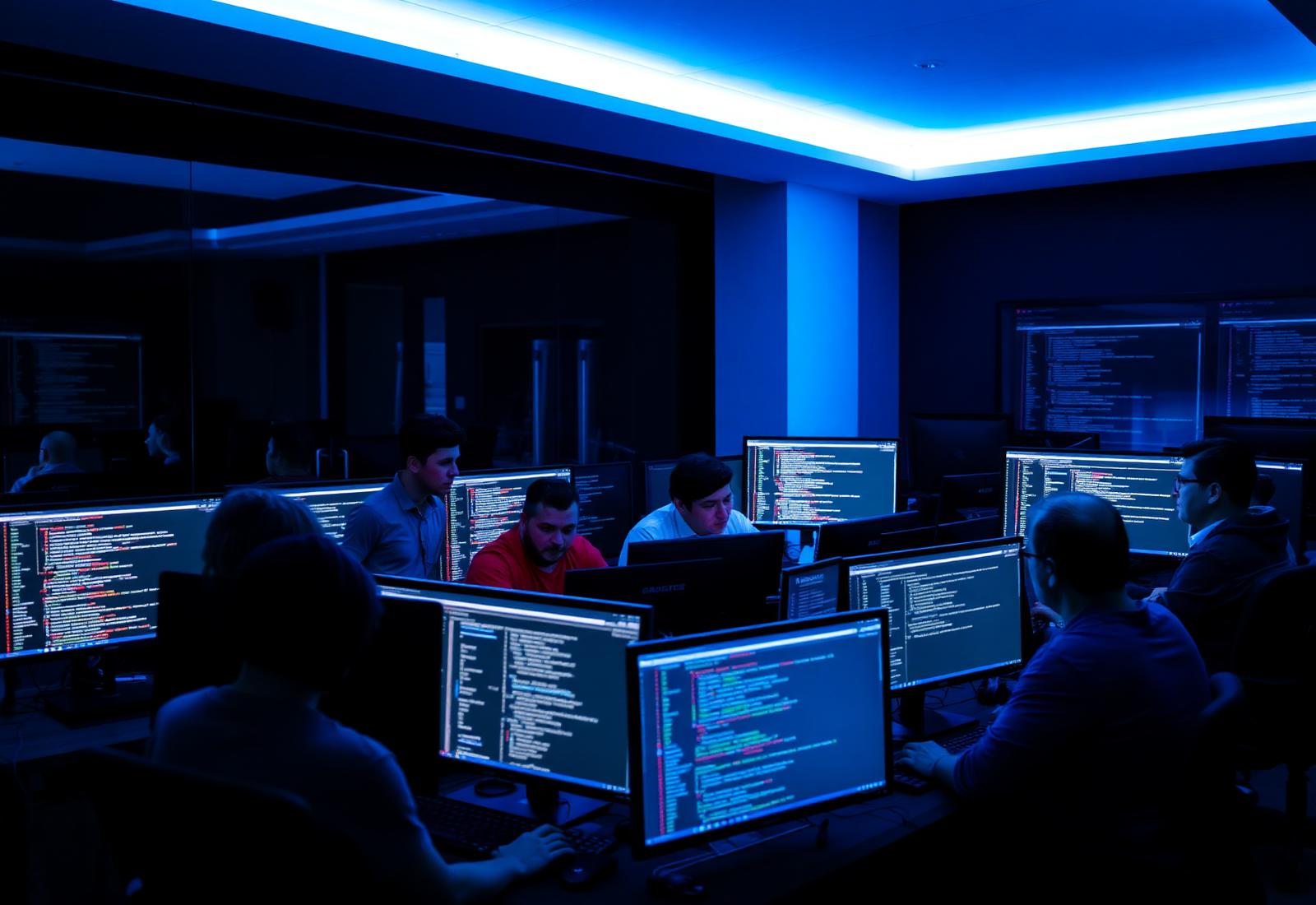
/ ENGINEERING
Software written by the same people who will operate it in production.

04 — Cloud & infrastructure
We design environments that are reproducible, cost-aware and easy to reason about — from single-service deployments to multi-region platforms serving continuous traffic.
05 — Technology expertise
We favour tools with established ecosystems, clear upgrade paths and predictable operational characteristics. Selection is always contextual — the appropriate stack for an internal automation tool is not the same one used for a production API.
06 — Industries we serve
Reporting systems, reconciliation tools and secure integrations with third-party providers.
Dispatch, tracking and workflow tools built for teams working across shifts and locations.
Client portals, document workflows and internal automation for regulated environments.
Applications supporting daily use, with careful handling of personal data and consent.
Storefront platforms, order management and integrations with fulfilment providers.
Digital services with attention to accessibility, auditing and long-term maintenance.
Internal tooling, developer platforms and quality of life for engineering organisations.
Product engineering support for founders and small teams shipping their first releases.
07 — Software development
We build web applications, mobile applications and integration services for teams that expect the software to outlast the current sprint. Codebases are structured around clear boundaries, tested at the layers where tests provide real value, and instrumented so that behaviour in production can be observed.
Feature work is delivered in stages with a written definition of done. Legacy systems are migrated incrementally rather than replaced in a single event, allowing the operating business to continue running throughout.

08 — Cybersecurity
We integrate threat modelling, identity management, hardening and monitoring into the same delivery process as the rest of the engineering work — so security is designed with the system rather than layered on afterwards.
09 — Digital transformation
We treat transformation as a sequence of small, reversible improvements rather than a single replatforming event. Each step should leave the business measurably better off — reduced manual work, improved reliability, clearer data — even if later stages are deferred or reshaped.
Document the current systems, dependencies and pain points before proposing changes.
Order improvements by risk, dependency and value so early stages fund later ones.
Support the new systems in production and hand them over cleanly to internal teams.
10 — Delivery methodology
Understand the goal, constraints, existing systems and operational context.
Produce a written architecture, interfaces and delivery plan with trade-offs recorded.
Implement in short iterations against a defined acceptance list, with visible progress.
Add observability, security controls and documentation before production release.
Provide monitoring, maintenance and structured handover to internal teams.
11 — Practice at a glance
Across the senior team combined.
Software, cloud, security, consulting.
For support and change requests.
Async collaboration with written updates.
12 — Quality & reliability
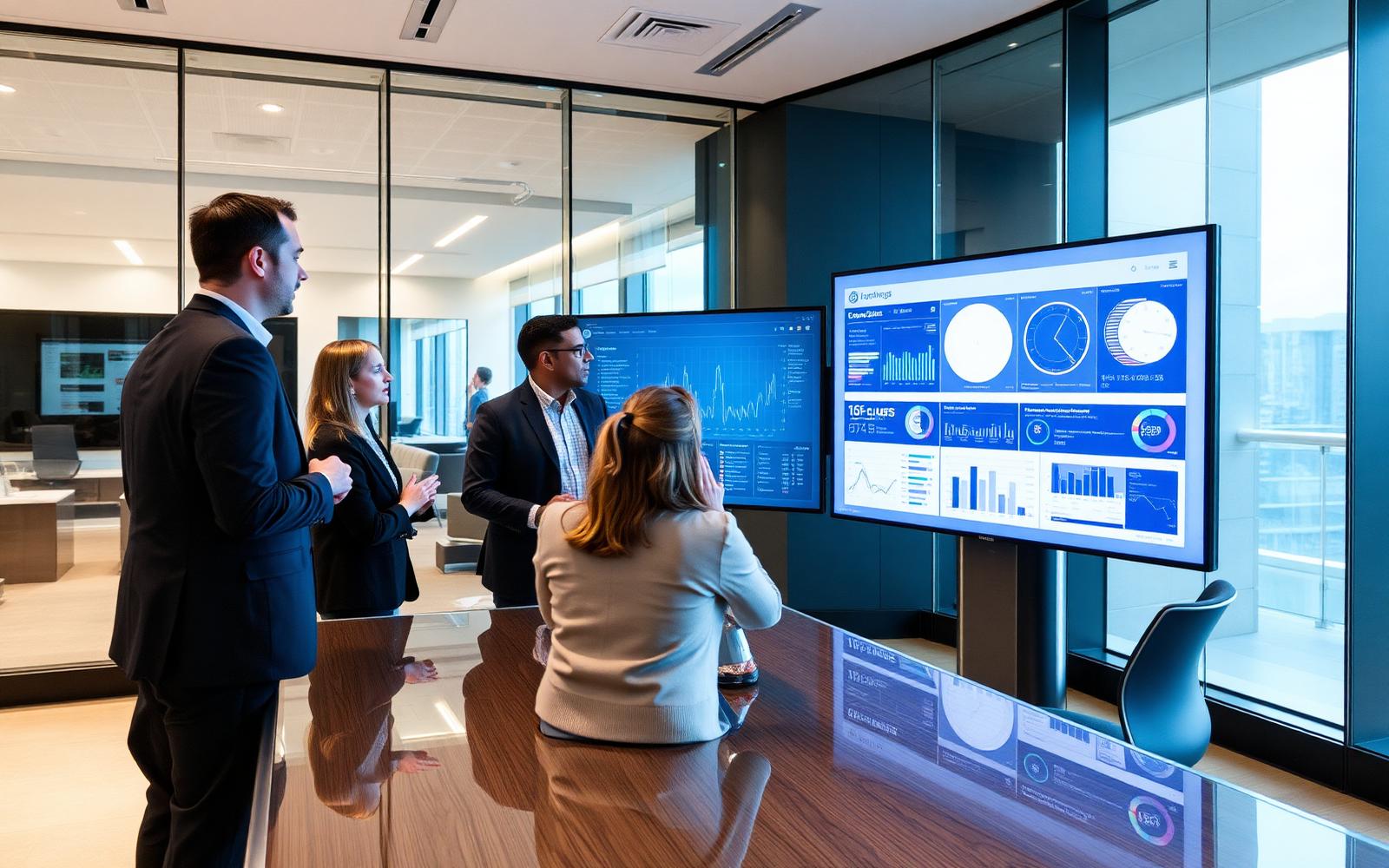
Our definition of a finished system includes observability, tested failure modes, documented recovery procedures and clear ownership. Automated tests are used at the layers where they meaningfully protect behaviour, and manual review remains part of the release process for high-risk changes.
13 — Client relationships
We prefer to work with a small number of clients over long periods. Communication is scheduled and documented, and we make it easy to see what is currently in progress, what has been delivered and what is planned for the next stage.
Where estimates need to change, we say so early and explain what is causing the change — the goal is a working relationship where the client is never surprised by cost, timeline or risk.
14 — Position
We work with organisations that treat their software as operational infrastructure — systems that need to be understood, measured and safe to change over years, not quarters.
15 — FAQ
Software builds, cloud and platform work, security engagements and technical consulting. Engagements typically last from a few weeks for focused scopes to multi-year partnerships for ongoing platform work.
Yes. A significant part of our work is done alongside internal teams — extending capacity, taking on specific components, or providing senior review for architecture and security decisions.
Each engagement begins with a written scope: goals, deliverables, out-of-scope items, decision authority and how progress is reported. We update the scope in writing whenever it changes.
Client-commissioned work is delivered to the client, with clear terms recorded in the engagement agreement. We do not reuse client-specific code or data across engagements.
Yes. Post-delivery support is offered as a defined service, with response windows and scope documented, rather than as an open-ended arrangement.

16 — Company
An independent IT company delivering software engineering, cloud infrastructure, cybersecurity, automation, data engineering and technical consulting.